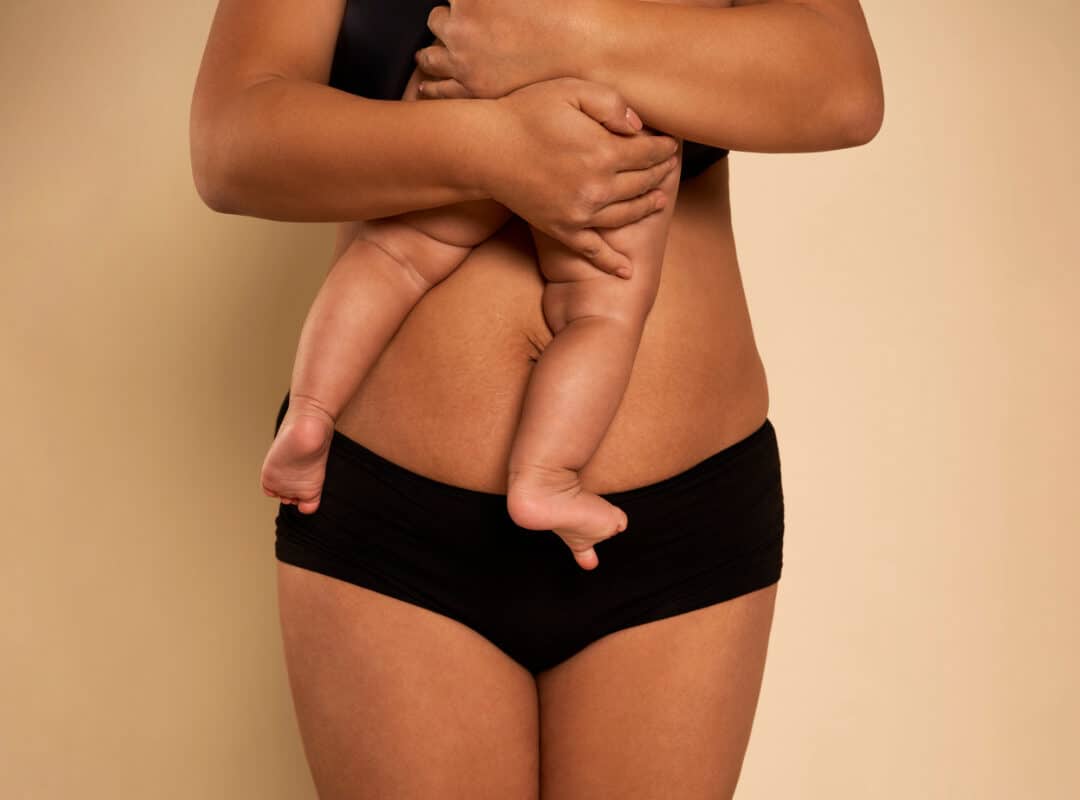
“It is true that childbirth can change the body in powerful and lasting ways, but while much attention is given to abdominal recovery and pelvic floor strength, vaginal tissue changes are often discussed far less openly. At Vie Aesthetics, we are very passionate about having those conversations.”Dr Ioannis Liakas, Vie Aesthetics
Postpartum vaginal laxity is common and treatable.This blog explains what causes vaginal laxity after childbirth, common symptoms UK mums experience, and treatments available atVie Aesthetics.
What Is Postpartum Vaginal Laxity?
Vaginal laxityaffects up to 58% of new mothers after vaginal birth and it is not simply about sensation; it reflects changes in tissue tone and structural support. Post-partum vaginal laxity can present with reduced tightness, discomfort, reduced sensation, mild bladder leakage, and lowered confidence. In particular, vaginal laxity refers to a reduction in vaginal tightness caused by stretching and weakening of the vaginal walls and supporting tissues following vaginal birth, as the tissue stretches significantly, the collagen fibres expand, the pelvic floor muscles are placed under strain, and the connective tissue may weaken. Good news is that some of this improves naturally during the recovery period. Collagen and structural support, however, do not always return to pre-pregnancy levels.
What Causes Vaginal Laxity After Childbirth?
Childbirth stretches vaginal tissues and weakens pelvic floor muscles to allow the baby to pass through. Each woman’s recovery is different. Genetics and tissue quality play a role. Studies show persistent laxity in many first-time mums one year postpartum, often linked to pelvic floor weakness.Key factors include:
Baby’s size and delivery type (e.g. vaginal birth, prolonged labour, instrument-assisted delivery, larger birth weight); larger babies or vaginal births increase stretching
Multiple pregnancies: repeated deliveries reduce collagen and elastin in vaginal walls.
Hormonal changes: lower oestrogen levels can temporarily thin vaginal tissue and reduce elasticity. Pregnancy hormones loosen pelvic ligaments; postpartum oestrogen drops during breastfeeding can cause dryness.
Ageing and lifestyle: these worsen laxity over time, but birth is the main trigger.
What Are Common Symptoms of Vaginal Laxity in UK Mums?
Some women feel subtle changes. Others notice more significant differences. It is important to distinguish between pelvic floor weakness and tissue laxity. They often overlap but are not identical.Postpartum vaginal laxity may present as:
A feeling of reduced tightness or a “loose” feeling during intimacy
Vaginal dryness, especially if breastfeeding.
Difficulty keeping tampons in place or changes in bowel habits.
Reduced sensation during intimacy
Air trapping within the vagina
Mild stress urinary incontinence: Leaking urine when coughing, laughing, or exercising.
Lower pelvic confidence
These symptoms can impact confidence and relationships, but early intervention helps.
How to Help Tighten Your Vagina After Birth - Advice
There are some recommended steps you can take early on to support your recovery and tighten the vaginal tissue post-partum:
Perineal care: gentle cleaning, rest, and avoid heavy lifting in early weeks.
Kegel exercises: contract pelvic floor muscles (as if stopping urine flow) for 10 seconds, 10 reps, 3x daily. Evidence shows they improve tightness and sensation.
Pelvic floor physiotherapy: NHS services offer this; one study found it reduces sexual dysfunction symptoms in 6 weeks to 6 months postpartum.
Yoga for mums: free NHS or online classes strengthen the core.
Lubricants: use water-based options for dryness.
Does Post-Partum Vaginal Laxity Improve Naturally?
Many women ask: “Does the vagina stay loose forever after birth? ” The answer is: “No, but without treatment, laxity persists in many cases.” In fact, significant recovery occurs in the first 6–12 months postpartum. Pelvic floor exercises can strengthen muscle tone. Hormones stabilise once breastfeeding reduces or stops.
If, however, symptoms continue beyond the first year, natural recovery may have plateaued. This can happen because collagen does not fully regenerate on its own, connective tissue laxity may persist, and structural stretching may remain. At this point, seeking non-surgical treaments can be your next port of call to help reverse vaginal laxity.
Non-Surgical Treatment Options to Reverse Vaginal Laxity
Mild to moderate laxity can often be improved without surgery with non-surgical regenerative treatments that focus on restoring tissue hydration; stimulating collagen production; improving circulation, and supporting structural integrity.
At Vie Aesthetics, we offer a range of treatment plans that utilise the regenerative power of Desirial injectables,Caress Flow pure oxygen and HA, Autologous Platelet Rich Plasma injections and HRT. Treatments are are personalised based on cause, severity and overall health. Severe structural damage may require referral to a gynaecological specialist. A proper assessment determines this. Here is some information about non-surgical solutions for post-partum vaginal laxity:
HRT to Reverse Vaginal Laxity -When Hormones Are Contributing
If oestrogen remains low postpartum or during perimenopause, hormonal support may be appropriate. Opting for Hormone Replacement Therapy (HRT) can help improve tissue thickness and enhance elasticity. Befnefits include also improved lubrication and a reduction of vaginal dryness. Hormonal treatment is considered only after full medical assessment by our expert team.
Desirial Injections To Treat Vaginal Laxity After Birth
Vie Aesthetics are a centre of excellence and training for Desirial-a hyaluronic acid injectable designed specifically for the intimate tissue. It works by:
Deeply hydrating the vaginal walls
Improving elasticity
Supporting tissue resilience
Enhancing comfort during intimacy
Hyaluronic acid attracts moisture and restores suppleness within stretched tissue. Desirial is particularly helpful when dryness and laxity coexist.
Restore Comfort and Confidence
Confidential, doctor-led intimate health consultation.
Caress Flow is a revolution in regenerative intimate rejuvenation treatments. By using pure oxygen in combination with a specific Hyaluronic composition designed for the intimate area, a course of Caress Flow sessions helps improve circulation, hydration, and elasticity. Improved circulation plays a key role in tissue vitality and regeneration and the benefits of the Caress Flow treatments include:
Increased in tissue tightening
Improved sensation
Enhanced blood flow
Improved mild stress incontinence
Improve Circulation and Intimate Tissue Tone
Non-surgical support for vaginal laxity and reduced sensation.
PRP has been a popular treatment at Vie Aesthetics, because stimulates natural healing mechanisms and results develop gradually over several weeks. PRP is often chosen when regenerative support is needed rather than simple hydration.
Regenerative Support for Intimate Health
Stimulate natural tissue repair with PRP treatment.
When performed in a regulated, doctor-led clinic like Vie Aesthetics, non-surgical treatments are considered safe for suitable candidates. In our clinics, consultations are discreet and led by doctors. Medical screening is thorough and treatment plans are personalised. Dr Liakas, our medical director is also a UK trainer for Desirial and Caress Flow and we are known for our innovation, safety and results.
Are Caress Flow, PRP and Desirial Treatments Painful?
Most non-surgical treatments are fairly pain-free and involve only minimal discomfort and short recovery time. Afterwards, you may experience mild warmth and normal activities can typically resume quickl
How Long Do Vaginal Rejuvenation Results Last?
Results depend on treatment type. Hydration-based treatments may last several months. Regenerative treatments such as PRP stimulate collagen that develops gradually and may last longer. Maintenance sessions are sometimes recommended annually.
How Long After Childbirth Can You Seek Treatment for Vaginal Laxity?
An individual assessment determines timing, but generally, it advisable to wait at least 6 months postpartum and until pelvic floor recovery is established and until breastfeeding hormones stabilise (in some cases).
Final Thoughts On Post-Partum Vaginal Laxity
At Vie Aesthetis, we prioritise intimate health assessment and treatments tailored to your anatomy, symptoms and long-term wellbeing. You do not have to accept ongoing discomfort or reduced confidence as inevitable.
If you would like to explore safe and discreet options, book a consultation at Vie Aesthetics.
Take the First Step Toward Recovery
Expert, confidential assessment and treatment planning.