Peptides have become one of the most talked-about ingredients in skincare, often promoted for their ability to support collagen production and improve skin quality. From serums to injectable treatments, they are increasingly used as part of modern anti-ageing and regenerative approaches.
As interest grows, many people are asking what peptides actually do, whether they work, and how they fit into a clinical treatment plan.
“Peptides are an important part of regenerative skincare because they act as signalling molecules within the skin. They help support natural repair processes, but their effectiveness depends on how they are delivered and used within a wider treatment strategy.” – Dr Ioannis Liakas
Peptides are short chains of amino acids, which are the building blocks of proteins such as collagen and elastin.
In skincare, they act as messengers, signalling the skin to perform specific functions. This may include producing more collagen, improving hydration, or supporting repair processes.
Rather than acting as a quick fix, peptides support the skin’s natural function over time.
How do peptides work in the skin?
Peptides work by communicating with skin cells and encouraging them to behave in a more youthful and efficient way.
They can help to:
Stimulate collagen production
Improve skin firmness
Support repair of damaged skin
Enhance overall skin function
Because they work at a cellular level, results tend to develop gradually rather than immediately.
What skin concerns can peptides help with?
Peptides are commonly used to improve overall skin quality and early signs of ageing.
They are often used as part of a broader treatment plan rather than as a standalone solution.
Do peptides actually work?
Peptides can be effective, but results depend on how they are used.
Topical skincare products may support the skin to a degree, but their penetration can be limited. In-clinic treatments that deliver peptides deeper into the skin tend to produce more noticeable results.
Consistency and correct formulation are key factors in achieving meaningful improvements.
Peptides in aesthetic treatments
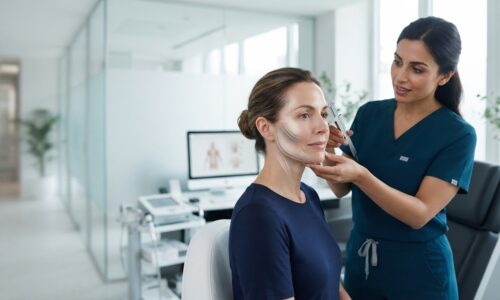
In aesthetic medicine, peptides are often used within regenerative treatments designed to improve skin quality from within. They are commonly combined with procedures such as microneedling or skin boosters to enhance delivery and support more noticeable results.
Alongside in-clinic treatments, medical-grade skincare also plays an important role in maintaining and enhancing outcomes between appointments.
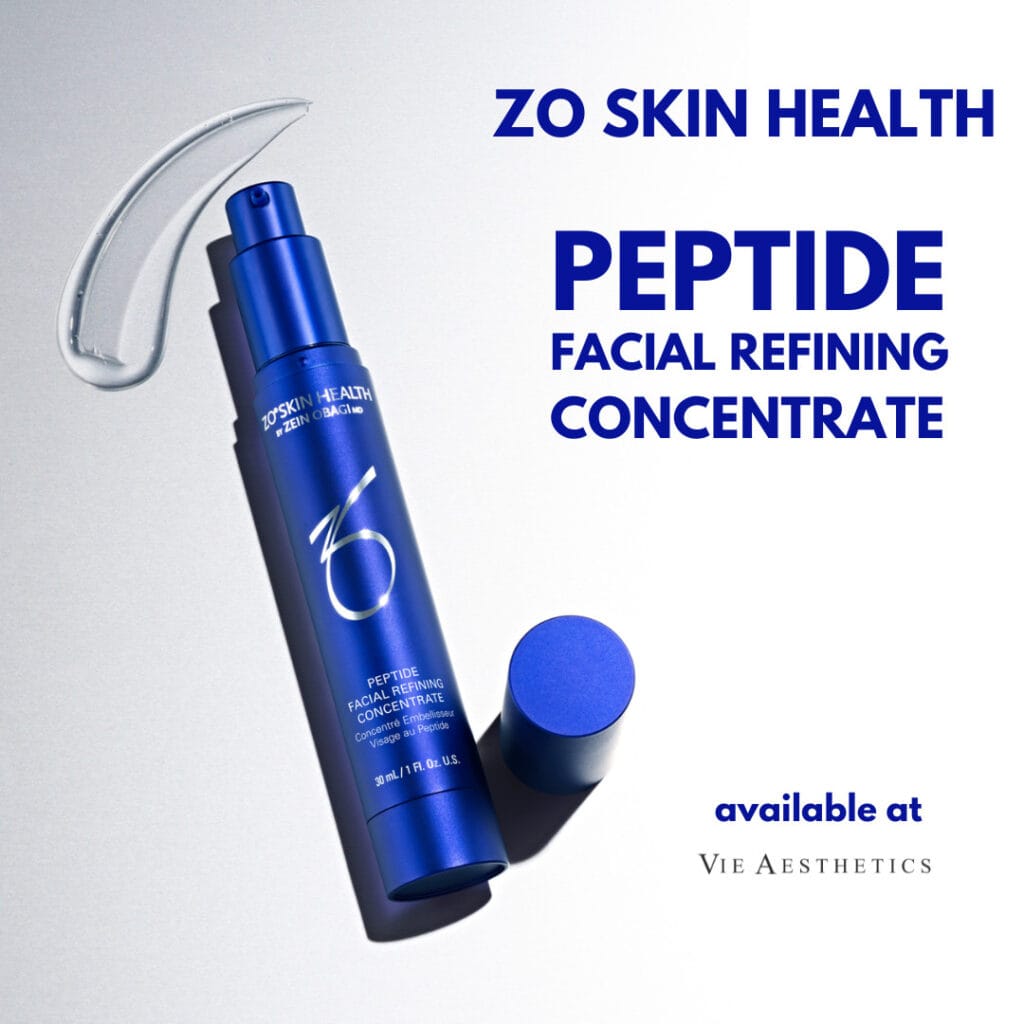
This advanced serum is formulated with multiple peptide technologies designed to support skin firmness, smooth the appearance of lines, and improve overall skin quality. Rather than focusing on surface hydration alone, it works to support the skin’s underlying structure, helping to create a more refined and visibly smoother appearance over time.
The formula is also designed to complement in-clinic treatments, making it a useful addition for patients looking to maintain results and support long-term skin health. When used consistently as part of a tailored skincare plan, it can help enhance skin texture, hydration, and overall resilience.
At Vie Aesthetics, products such as this are recommended as part of a personalised approach, combining medical-grade skincare with in-clinic treatments to achieve natural, balanced results.
Looking to improve your skin quality?
Discover medical-grade skincare tailored to your skin.
Yes, peptides are widely used in both skincare and medical treatments and are considered safe when used appropriately.
How long do they take to work?
Results develop gradually over time with consistent use or treatment.
Are peptides better than other ingredients?
They are not necessarily better, but they play a specific role in supporting skin function and are often used alongside other active ingredients.
Final thoughts
Peptides are a valuable component of modern skincare and aesthetic treatments, particularly for those looking to improve skin quality in a gradual and natural way.



 Read this article