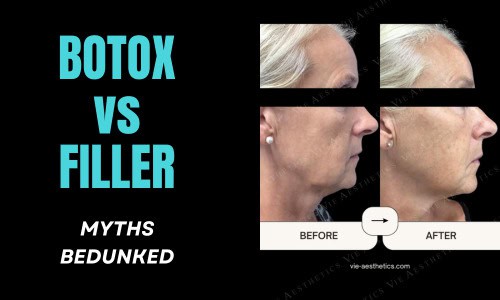
Botox vs filleris one of the most misunderstood topics in aesthetics. Many people assume they do the same thing, but they work in completely different ways and treat different concerns. This confusion often leads to the wrong treatment choice, disappointing results, or unnecessary worry about safety and outcomes. Understanding the difference between Botox and dermal fillers is key to achieving natural, balanced results that suit your face and your goals.
Botox vs Filler: what is the difference?
Botox and dermal fillers are often compared, but they treat different concerns. Botox relaxes facial muscles to reduce lines caused by movement, while fillers restore lost volume and improve facial contours.
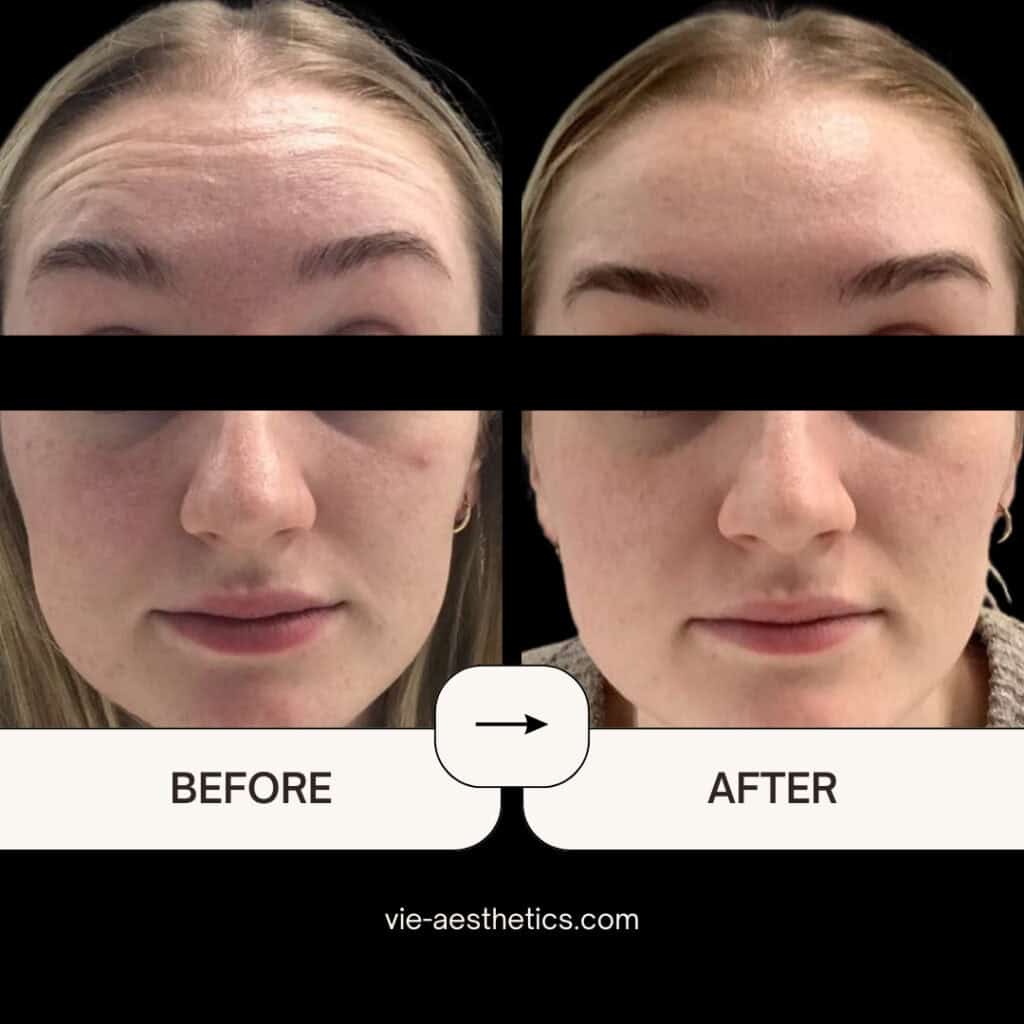
Botox relaxes muscles that cause lines like frown lines, forehaed, crows feet etc.
Filler restores lost volume and structure for cheeks, lips jawline etc.
“Many patients come in with misconceptions about treatments like Botox and filler. My role is not just to treat, but to educate. When you understand how each option works, you can make decisions that enhance your natural features rather than change them.” Dr Ioannis Liakas, Vie Aesthetics
Here are seven common myths about Botox and filler — and what you should know instead.
Myth 1: Botox Fills Wrinkles
Botox does not fill anything. Botox works by temporarily relaxing targeted facial muscles. When muscle movement reduces, the overlying skin stops creasing as strongly. Over time, this softens dynamic lines. Botox is typically used for:
If a wrinkle is caused by repeated movement, Botox may help. If a wrinkle is caused by volume loss or skin laxity, Botox alone will not correct it.
Myth 2: Filler Freezes Your Face
Dermal filler does not affect muscle movement. Filler restores volume. It is made from hyaluronic acid, a substance naturally found in the body. It is placed strategically beneath the skin to support structure, soften folds and improve contour. Filler is commonly used for:
Cheeks
Nasolabial folds
Marionette lines
Jawline definition
Lips
Chin support
When performed correctly, filler should not make your face look stiff. Poor placement or over-treatment creates unnatural results, not the product itself.
Myth 3: Botox and Filler Do the Same Thing
They treat different causes of ageing. Facial ageing happens for two main reasons:
Botox addresses movement. Filler addresses volume. For example:
Frown lines caused by muscle tension respond well to Botox.
Deep smile lines caused by mid-face volume loss may need filler.
They are complementary treatments, not substitutes.
Myth 4: You Will Look Fake
When treatment looks obvious, it is usually because of:
Overcorrection
Poor assessment
Incorrect product choice
Lack of anatomical understanding
Natural results come from careful diagnosis and restraint. At Vie Aesthetics, every treatment begins with a medical assessment of facial structure, muscle activity and ageing pattern. The goal is balance, not exaggeration. Subtle treatments should make you look refreshed, not different.
Botox or filler: which do you need?
Not sure which treatment suits you? Get expert advice from our medical team.
Most dermal fillers are temporary. Hyaluronic acid fillers gradually break down over time. Depending on the area treated and the product used, results typically last:
6–9 months in lips
9–12 months in folds
12–18 months in cheeks or jawline
Longevity depends on metabolism, area treated and product selection. Temporary treatment is often safer and more adaptable as your face changes with age.
Myth 6: Botox Is Unsafe
Botulinum toxin has been used medically for decades. In aesthetic practice, small, controlled doses are used to relax targeted muscles. Safety depends on:
Proper dosing
Correct placement
Medical knowledge of facial anatomy
Appropriate patient selection
When administered by trained medical practitioners in a regulated clinical environment, Botox is considered very safe. At Vie Aesthetics, all injectable treatments are delivered with full medical oversight and clinical governance standards in place.
Myth 7: You Only Need One Treatment Forever
Ageing is not static. In your 30s, movement-related lines may dominate. In your 40s and 50s, structural changes become more significant. Treatment plans often evolve over time. Some patients start with preventative Botox. Later, they may benefit from subtle structural support with filler. Others may combine treatments for a balanced result. The key is individual assessment rather than choosing a product in isolation.
So Which Is Right For You: Botox or Filler?
Choosing between Botox and dermal filler depends on what you are trying to treat. While they are often compared, they work in very different ways and are sometimes used together for the best results.
If your concern is lines that appear when you move your face, such as frown lines, forehead lines or crow’s feet, Botox is usually the most effective option. It works by relaxing the muscles that cause these expression lines, helping the skin appear smoother and more refreshed.
If your concern is volume loss, hollow areas or a lack of definition, dermal fillers are more suitable. Fillers restore structure and support, helping to enhance areas such as the cheeks, lips and jawline while maintaining a natural look.
In many cases, a combination of Botox and filler provides the most balanced and natural outcome. The right approach depends on your facial structure, concerns and long-term goals.
Can You Have Botox and Filler Together?
Yes. Many patients safely combine both treatments. Botox can relax strong muscle movement in the upper face, while filler restores structure in the mid or lower face. When carefully balanced, this approach can create natural, harmonious rejuvenation without surgery.
Not Sure What You Need?
A clinical consultation ensures the right treatment for your face.
We provide clear aftercare guidance, which may include:
Wearing compression stockings
Avoiding intense exercise briefly
Avoiding heat exposure
Most people return to normal routine the same day.
At Vie Aesthetics, your treatment is always personalised
At Vie Aesthetics, we do not take a one-size-fits-all approach to Botox or dermal fillers. Every treatment is carefully planned based on your individual features, concerns and desired outcome.
As a doctor-led, CQC regulated clinic, all treatments are carried out by experienced medical professionals with a strong focus on safety, precision and natural results. We take the time to assess your facial structure in detail and recommend only what is appropriate for you.
“In aesthetic medicine, it is rarely about choosing one treatment over another. The best outcomes come from a tailored, medically led approach that respects facial anatomy and focuses on subtle, natural-looking results.” Vicky Grammatikopoulou, CEO Vie Aesthetics
Our goal is not to change how you look, but to enhance your natural features in a way that feels subtle, balanced and confident.If you are considering injectables, start with an expert consultation rather than choosing a product yourself.