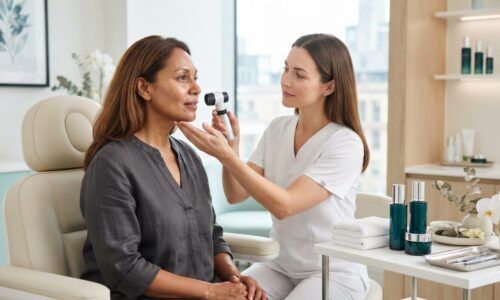
Mental Health Awareness Week is a reminder to pause and reflect on how we are really feeling, not just physically, but emotionally too. Many people experience periods where they feel less like themselves, whether due to stress, life changes, or ongoing pressures that build over time.
Mental wellbeing is deeply personal, and it can be influenced by many factors, including how we feel about ourselves day to day. For some, this includes confidence in their appearance, while for others it may be linked to lifestyle, relationships, or overall health.
“Confidence and mental wellbeing are closely connected, but it is important to approach both with care. Aesthetic treatments should never be seen as a solution to deeper concerns, but they can play a supportive role when approached in a balanced and considered way.” – Dr Ioannis Liakas
The link between confidence and self-image
How you feel about your appearance can influence how you carry yourself, how you interact with others, and how comfortable you feel in everyday situations.
Concerns such as skin changes, hair thinning, or signs of ageing can sometimes affect confidence more than people expect. These changes often happen gradually, but their impact can build over time, particularly when they begin to affect how you see yourself.
It is important to recognise that this is a normal experience. Feeling less confident at times does not reflect weakness, it reflects being human.
When it’s more than just appearance
While confidence and self-image can influence how you feel, they are only one part of a much bigger picture.
If you are struggling with your mental health, it is important to seek the right support. This may include speaking to a GP, therapist, or another qualified professional who can provide guidance and care.
Aesthetic treatments should never replace this type of support. Instead, they may play a small, supportive role for some individuals alongside a wider approach to wellbeing.
Small steps that can help
Looking after your mental wellbeing does not always require big changes. Often, it is the small, consistent steps that make the greatest difference over time.
This might include taking time for yourself, maintaining a routine, staying active, or simply speaking openly with someone you trust. Prioritising rest and recognising when you need a break can also have a meaningful impact.
For some, feeling more comfortable in their appearance can contribute to this sense of balance, particularly when it is part of a broader approach to self-care.
Where aesthetics can play a role
At Vie Aesthetics, we see treatments as part of a wider conversation about confidence and wellbeing.
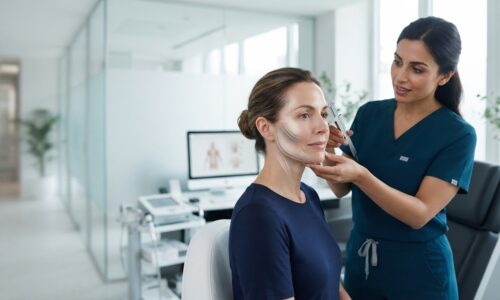
For some patients, subtle improvements in skin quality, hair density, or facial balance can help them feel more like themselves again. The focus is always on natural, measured results rather than dramatic change.
The goal is not to alter who you are, but to support how you feel in a way that is appropriate, ethical, and carefully considered.
If this sounds like you
If you have been feeling less confident, avoiding photos, or noticing changes that affect how you see yourself, you are not alone.
These feelings are more common than many people realise, and recognising them is often the first step towards making positive changes, whether that involves lifestyle adjustments, professional support, or exploring treatment options.
At Vie Aesthetics, your wellbeing comes first
At Vie Aesthetics, we take a patient-first approach to every consultation.
As a doctor-led, CQC regulated clinic, we prioritise safety, honesty, and realistic expectations. Every treatment is tailored to the individual, with a focus on achieving subtle, natural results that support confidence without overcorrection.
We believe that looking after yourself should always feel considered, supportive, and aligned with your overall wellbeing.
Feel more like yourself again
Subtle, personalised treatments designed to support confidence.
Mental Health Awareness Week is an opportunity to reflect on what wellbeing means to you. This may involve prioritising rest, seeking support, or making small changes that help you feel more balanced.
For some, this may also include addressing aspects of appearance that affect confidence, but always as part of a wider, thoughtful approach to self-care.
If you need support
If you are struggling with your mental health, you do not have to manage it alone. Speaking to your GP is a good first step, and there are also trusted organisations that offer support, advice, and someone to talk to.
You can contact Mind or Samaritans for confidential support, or visit the NHS website for further guidance on accessing help.


 Read this article