Written by Dr Ioannis Liakas, Medical Director at Vie Aesthetics
The short answer: filler adds volume instantly and predictably, while PRP stimulates your own tissue to improve quality and texture gradually. Most clients choose filler when they want a specific, immediate change to shape or volume, and PRP when they want a more natural refresh with no added product in the skin. Many clients end up using both, at different times, for different goals.
Key Takeaways
Dermal filler gives visible results immediately and typically lasts 6–18 months depending on the product and area treated.
PRP (platelet-rich plasma) uses your own blood plasma and usually needs a course of 3 sessions, spaced 4 weeks apart, with results building over 2-3 months.
Filler is better suited to correcting volume loss or shape (cheeks, lips, jawline); PRP is better suited to improving overall skin quality, tone, and mild rejuvenation.
Filler and PRP are not mutually exclusive — many clients combine both as part of a wider treatment plan.
“[NEEDS APPROVAL FROM DR LIAKAS] — placeholder for a short quote from Dr Liakas on when he recommends filler over PRP, or combining the two, e.g. how he assesses which patients are better suited to one over the other.”
What's the Difference Between Filler and PRP?
Dermal filler is an injectable gel, usually hyaluronic acid, designed to add volume, restore lost structure, or reshape a specific area. It gives an immediate, visible result that you can see the same day.
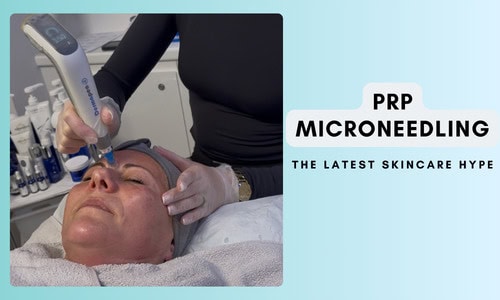
PRP is created by the doctor taking a small sample of your own blood, spinning it in a centrifuge to concentrate the platelets, and then injecting that plasma back into the skin. It works by encouraging your own collagen production over time, rather than adding volume directly.
Filler vs PRP: Side-by-Side Comparison
What Can LED Masks Improve?
LED therapy may help with:
Mild fine lines
Dull skin
Redness
Acne breakouts
Post-treatment healing
Sensitive or reactive skin
It is particularly useful as a supportive treatment rather than a standalone solution for advanced ageing.
LED will not:
Replace dermal fillers
Lift significant skin laxity
Remove deep wrinkles
Replace radiofrequency or surgical treatments
Managing expectations is important.
LED Mask vs In-Clinic LED Treatment: What’s the Difference?
The main differences are power, coverage and protocol.
At-home LED masks:
Lower energy output
Fixed timing
Self-administered
Require consistent long-term use
In-clinic LED systems such as Dermalux Tri-Wave:
Higher power density
Medical-grade wavelengths
Monitored application
Often combined with other treatments
Dermalux Tri-Wave combines red, blue and near-infrared light in clinically validated combinations. Treatment is tailored depending on whether the goal is collagen stimulation, acne reduction or calming inflammation.
Professional LED is often used to:
Accelerate healing after microneedling
Reduce post-treatment redness
Enhance results from skin rejuvenation treatments
Professional LED Light Therapy
Experience Dermalux Tri-Wave for skin rejuvenation.
LED therapy is considered very safe when used correctly.
It is:
Non-invasive
Pain-free
Suitable for most skin types
Safe during pregnancy (depending on wavelength)
However, you should avoid LED therapy if you:
Have light-sensitive epilepsy
Are taking photosensitising medication
Have certain active skin conditions
Medical assessment is always recommended if you are unsure.
How Often Should You Use an LED Mask?
For at-home devices:
3–5 sessions per week
10–20 minutes per session
Consistency for at least 8–12 weeks
For professional LED treatments:
Weekly sessions during a treatment course
Then maintenance as advised
Results depend on regular use. Occasional sessions are unlikely to produce visible change.
Is Red Light Therapy Worth It for Anti-Ageing?
If your concern is early skin ageing, red light therapy can support:
Collagen maintenance
Skin brightness
Inflammation control
It works best when combined with:
Daily SPF
Medical-grade skincare
Antioxidants
Professional treatments where needed
It is not a replacement for injectable or structural treatments when laxity or volume loss is advanced.
Can LED Help Acne?
Yes, particularly blue light.
Blue light targets Cutibacterium acnes, the bacteria involved in inflammatory acne.
It can:
Reduce active breakouts
Calm inflammation
Support healing
However, hormonal acne often requires broader management. LED can form part of a treatment strategy but may not be sufficient alone.
Why are LED Masks Trending?
Interest in LED masks has surged on TikTok due to:
Visible at-home use
Celebrity endorsements
“No downtime” appeal
Anti-ageing claims
The appeal lies in simplicity. You can use it while watching television.
The science behind LED is sound. The key is realistic expectation and consistent use.
When Is Professional LED a Better Option?
You may benefit from clinic-grade LED if you:
Have persistent acne
Are undergoing microneedling or rejuvenation
Want stronger collagen stimulation
Have inflammatory skin conditions
Prefer guided treatment protocols
Dermalux Tri-Wave delivers clinically validated wavelengths at therapeutic doses. It is frequently used in aesthetic medicine to enhance treatment outcomes and improve recovery.
Professional LED Light Therapy
Experience Dermalux Tri-Wave for skin rejuvenation.
LED supports collagen production but does not create immediate lifting.
For mild early laxity, it may help maintain firmness.
For more visible tightening, treatments such as radiofrequency or collagen-stimulating procedures are typically more effective.
LED works best as part of a broader skin strategy.
Actionable Tips If You’re Considering an LED Mask
If you are thinking about buying an at-home LED device:
Check the wavelengths are clinically supported (around 633nm for red light)
Use consistently for at least 8 weeks
Do not expect instant results
Continue SPF daily
Avoid if contraindicated
If you want stronger results, consider professional LED sessions under medical guidance.
Final Thoughts: Are LED Masks Worth It?
LED masks are not a miracle device, but they are not a myth either.
They support cellular repair, collagen production and inflammation reduction when used correctly. Results are gradual and subtle.
For maintenance and skin health, LED therapy has genuine value.
For advanced ageing or structural change, it works best alongside professional treatments.
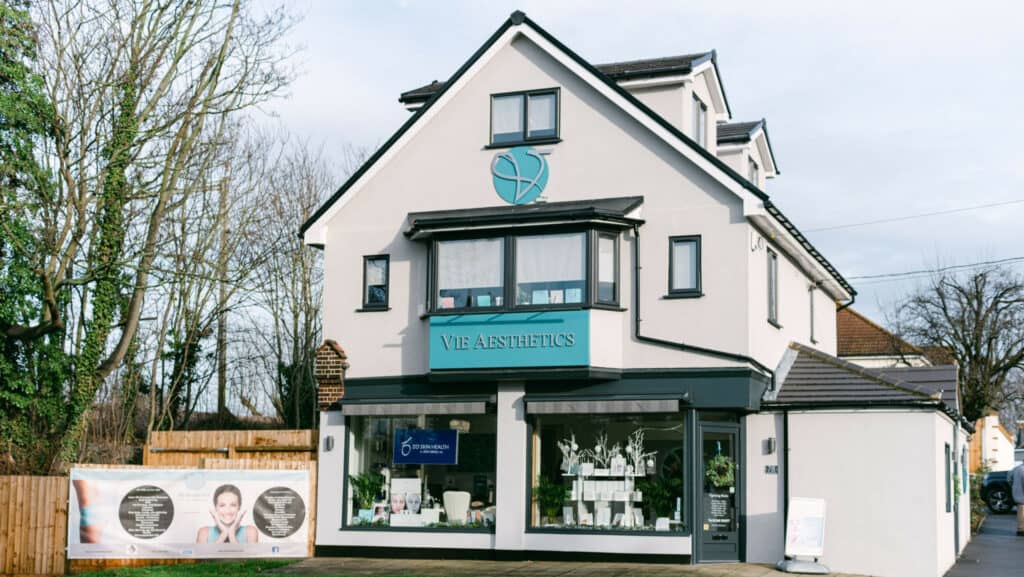
If you would like to explore Dermalux Tri-Wave treatment as part of a personalised skin plan, you can book a consultation at Vie Aesthetics in Essex & London.
Ready to Build a Smarter Skin Plan?
Book a personalised consultation to explore Dermalux Tri-Wave and evidence-based skin treatments tailored to you.